
 Cody Cooper
Washington, DC | February 09, 2026
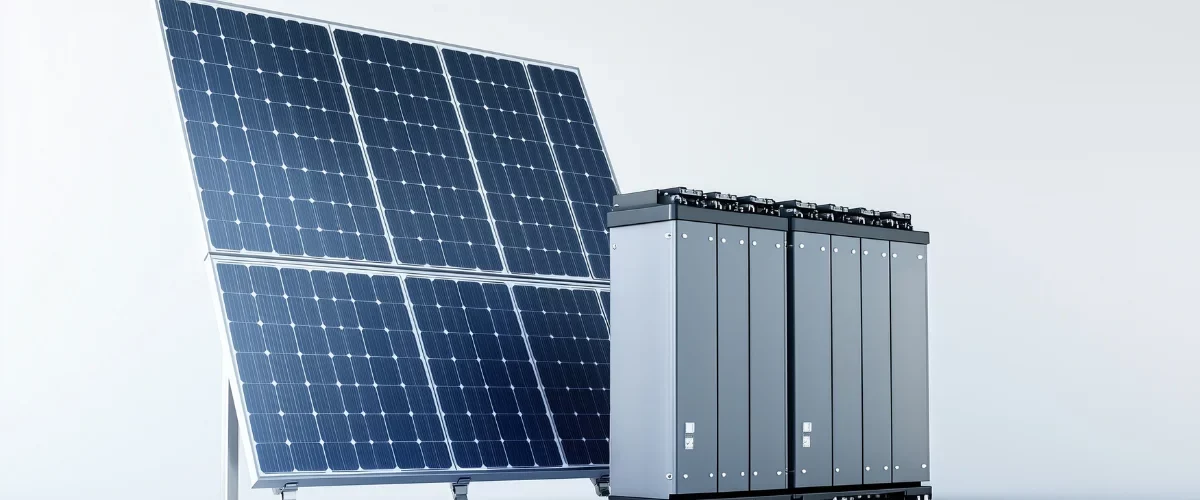
Solar energy and battery storage are projected to account for the majority of new electricity generating capacity added in the United States in 2026, according to new projections released by the U.S. Energy Information Administration (EIA).
The latest capacity outlook indicates that solar photovoltaic installations will remain the leading source of new power generation in the country, continuing a trend that has accelerated over the past several years. Developers are expected to bring tens of gigawatts of new solar capacity online during the year, supported by utility scale projects across multiple states.
Battery energy storage systems are also expected to expand significantly as utilities seek ways to manage the intermittent nature of renewable generation. Energy storage projects are increasingly being paired with solar installations to store electricity generated during peak daylight hours and release it later when demand rises.
Industry analysts note that this growing combination of solar and battery infrastructure is playing an important role in stabilizing grid operations as renewable penetration increases.
The EIA forecasts that battery storage capacity additions will approach levels similar to large scale solar installations in some regions. Storage systems are becoming more common in areas with high solar deployment such as California, Texas, and parts of the Southwest.
Wind energy is also expected to contribute new generating capacity, although its growth pace is projected to remain behind solar and storage installations. Developers are prioritizing projects that can be completed more quickly and that require less transmission infrastructure.
The continued rise of solar capacity reflects falling technology costs, improvements in module efficiency, and strong demand from utilities seeking to diversify power generation portfolios.
Several large scale solar projects currently under development are expected to begin operations during 2026, many of them located in states with strong solar resources and supportive energy policies.
Industry stakeholders say the growth of solar and storage installations is also influencing the supply chain for key equipment such as solar panels, inverters, and grid scale batteries.
Manufacturers and suppliers are preparing for sustained demand from utility scale developers as well as commercial and industrial solar projects.
At the same time, the rapid expansion of renewable capacity is prompting grid operators to modernize infrastructure and increase investment in transmission networks to support distributed energy resources.
Energy planners believe that the integration of solar generation with battery storage will continue to reshape electricity markets across the United States over the coming decade.
While policy changes and supply chain challenges remain potential risks, solar energy is expected to remain one of the fastest growing segments of the U.S. power sector in the near term.
For solar equipment manufacturers and suppliers, the projected growth in installations signals continued demand for modules, power electronics, and energy storage technologies across both utility and distributed energy markets.


 Daniyal Ahmed



Add comment