
 Daniyal Ahmed
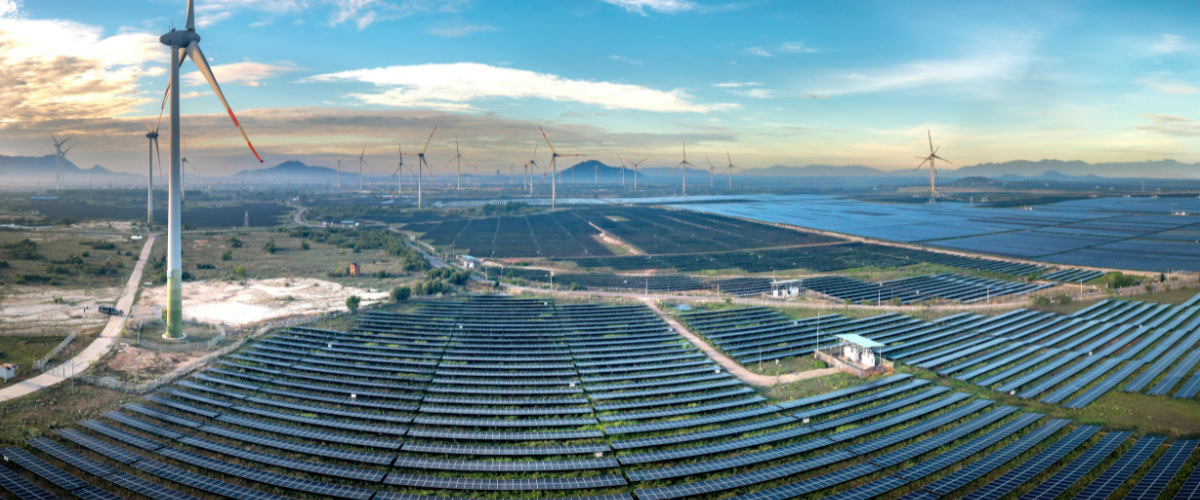
Solar Surge – Global electricity generation reached a turning point in 2025 as a rapid expansion of solar power prevented any increase in fossil fuel based electricity, according to new analysis from energy think tank Ember. The findings highlight a significant shift in the global energy system, with clean energy now meeting all new demand growth for the first time.
Solar power led the transition, delivering its fastest growth in nearly a decade. Output rose sharply and accounted for roughly three quarters of the increase in global electricity demand during the year. When combined with wind, hydropower and other low carbon sources, clean electricity generation grew by about 887 terawatt hours, slightly exceeding the total rise in demand of 849 terawatt hours. As a result, fossil fuel generation declined marginally by around 0.2 percent.
China and India Drive the Shift
The shift was driven largely by developments in China and India, where clean energy expansion outpaced rising electricity demand. For the first time, both countries recorded simultaneous declines in fossil fuel electricity generation, marking a historic milestone for two of the world’s largest energy consumers.
China remained the dominant force behind global solar growth, contributing more than half of the increase in solar generation. The country has rapidly scaled up renewable energy capacity in recent years, supported by large domestic manufacturing and strong policy backing.
India also posted record gains in clean electricity, helping to reduce reliance on coal and gas fired generation.
Clean Energy Growth Outpaces Demand
Analysts say the data signals the beginning of what could be a sustained shift toward cleaner energy systems. Ember Managing Director Aditya Lolla described the development as evidence that the world has entered the era of clean growth, where renewable energy is capable of meeting rising demand without increasing fossil fuel use.
The broader trend reflects years of declining costs for solar and wind technologies, along with increased investment in renewable infrastructure. Solar generation alone has expanded dramatically over the past decade, with output growing multiple times over as installations accelerate worldwide.
Challenges in Sustaining the Momentum
Despite the milestone, experts caution that challenges remain. Electricity demand continues to rise globally, driven by economic growth, electrification, and increasing use of technologies such as electric vehicles and data centers.
Maintaining the current trajectory will require continued investment in grid infrastructure, energy storage, and system flexibility to handle the variability of renewable generation.
Battery storage is emerging as a key enabler of higher solar penetration, allowing excess daytime generation to be used during periods of peak demand. At the same time, grid modernization and regulatory reforms will be necessary to integrate larger volumes of renewable energy and avoid bottlenecks.
Outlook
While fossil fuel generation remained largely flat in 2025, it still represents a significant share of the global energy mix. Analysts emphasize that sustained policy support and continued deployment of clean technologies will be essential to achieve deeper emissions reductions in the coming years.
The findings add to a growing body of evidence that renewable energy, particularly solar, is becoming the primary driver of global electricity growth. As more countries expand clean energy capacity, the balance between fossil fuels and renewables is expected to continue shifting, with solar playing a central role in the transition.
FAQs
Why did fossil electricity remain flat in 2025
Fossil electricity remained flat because rapid growth in solar and other clean energy sources was enough to meet all new global electricity demand.
Which countries played the biggest role in this shift
China and India were the main drivers, with both countries expanding clean energy while reducing fossil fuel electricity generation.
How much did clean electricity grow in 2025
Clean electricity generation increased by about 887 terawatt hours, slightly exceeding the total rise in global demand of 849 terawatt hours.
What challenges remain for clean energy growth
Key challenges include rising electricity demand, the need for grid upgrades, energy storage expansion, and regulatory reforms to support renewable integration.
Sources
Climate Home News
The Guardian

 Cody Cooper




Add comment