
 Marley Kakusa
Houston, Texas | March 19 2026
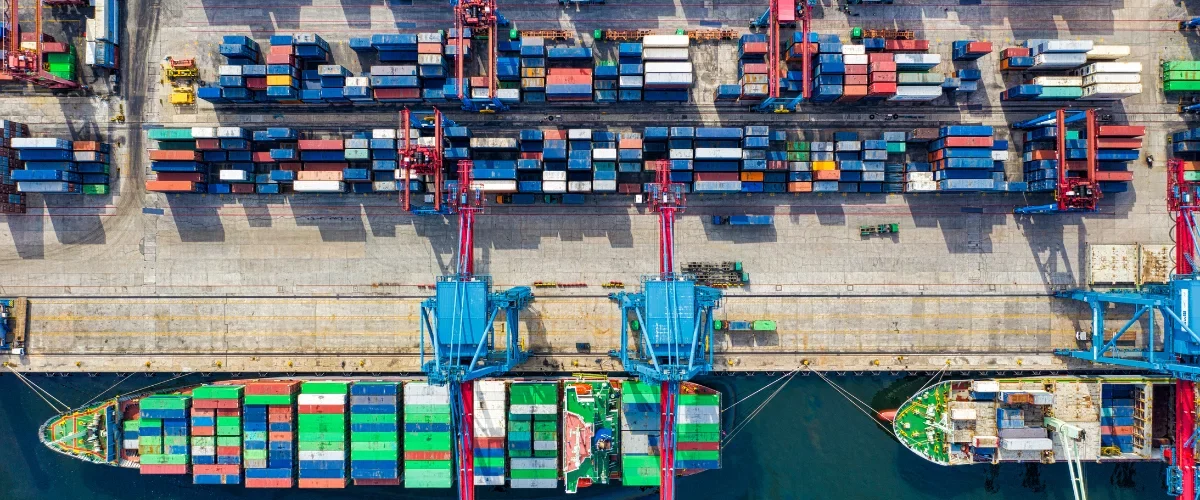
U.S. solar manufacturers and project developers are encountering renewed supply chain pressure following shipping disruptions affecting key global trade routes used to transport solar components.
Industry logistics experts report that ongoing geopolitical tensions and security concerns in several maritime regions have slowed container traffic, forcing cargo vessels to reroute shipments and increasing delivery times for critical solar equipment.
Solar panel frames, mounting components, inverter electronics, and battery materials are among the products experiencing delayed shipments as vessels avoid certain shipping corridors.
Many solar equipment manufacturers rely on global supply chains for components including aluminum frames, semiconductor electronics used in inverters, and lithium based battery materials.
With shipping routes becoming more complex and transit times increasing, project developers are adjusting procurement schedules and inventory strategies to reduce delays in construction timelines.
Solar installers and engineering procurement contractors have reported longer lead times for certain equipment categories, particularly specialized inverter components and large scale battery modules.
Logistics analysts say that rerouted shipping lanes can add several weeks to cargo transit times, which can affect project commissioning schedules if materials do not arrive on time.
Solar developers working on utility scale projects have begun increasing warehouse inventories of critical equipment to maintain project timelines.
Industry suppliers are also exploring alternative manufacturing and distribution hubs to reduce reliance on a limited number of shipping routes.
Several manufacturers are evaluating additional production capacity in North America to shorten supply chains and mitigate risks associated with international shipping disruptions.
The U.S. solar industry has experienced similar supply chain challenges in recent years, including pandemic related shipping congestion and global semiconductor shortages.
However, industry participants say that improved inventory planning and diversified sourcing strategies have helped companies adapt to changing logistics conditions.
For solar installers and developers, managing supply chain uncertainty has become an important operational priority as the number of solar projects continues to increase across the country.
Despite the shipping disruptions, most analysts expect solar project development in the United States to continue growing through 2026, supported by strong demand for renewable energy and large scale infrastructure investments.
Manufacturers and distributors are now focusing on maintaining stable equipment availability for solar modules, inverters, and energy storage systems as the industry navigates evolving global trade conditions.

 Cody Cooper

 Daniyal Ahmed



Add comment