
 Cody Cooper
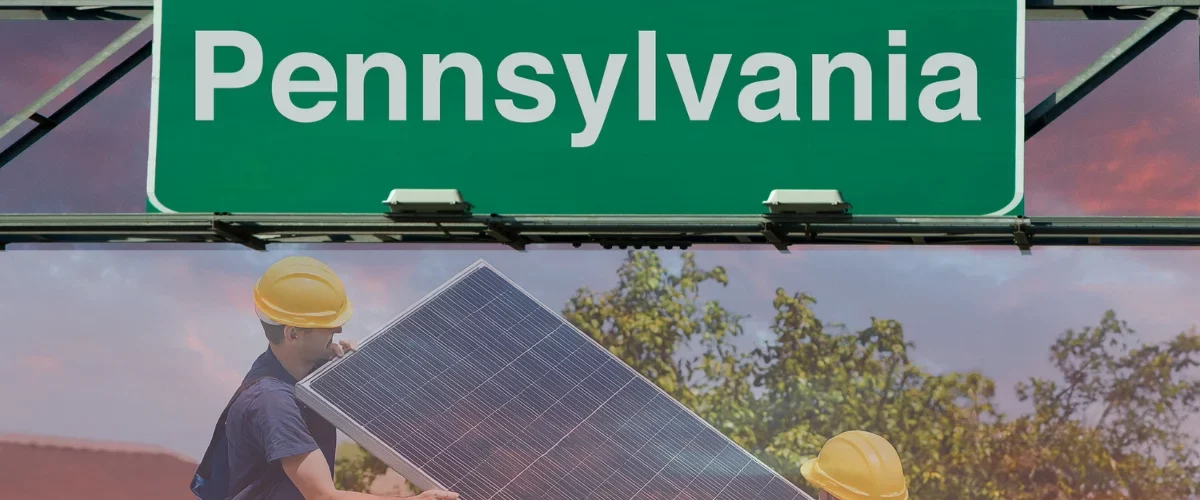
Over 100 Pennsylvania organizations,including environmental, business, civic, and faith-based groups, have sent a joint letter to the Pennsylvania Public Utility Commission (PUC), calling for a sweeping reform of how distributed energy resources (DERs), like rooftop solar, batteries and wind, are allowed to connect to the state’s electric grid.
Urgent call for reform
The coalition states that current interconnection procedures vary widely across utilities, lack transparency, and often impose unclear timelines or inconsistent technical standards. These issues, according to the letter, create costly delays and risks for clean energy developers.
“In the absence of meaningful interconnection reforms, significant damage has already been done,” the letter reads. It cites the imminent expiration of federal solar tax credits as a looming threat to viable clean energy projects across the state.
Stakeholders involved
Signatories to the letter include:
- Vote Solar
- PA Solar Center (Solar Power World)
- Mid‑Atlantic Solar & Storage Industries Association (Energy Jobline News)
- Reclaim Philadelphia
- POWER Interfaith
Sharon Pillar, founder and executive director of the PA Solar Center, emphasized the urgency: “If the PUC were to fix these interconnection issues, they would be extending a lifeline to solar companies when they need it most, while also helping to lower energy bills for all Pennsylvania energy consumers.”
Kartik Amarnath, Mid‑Atlantic Regulatory Director of Vote Solar, echoed concerns over the current pace of approvals. According to Amarnath, opaque processes “are a major reason why we don’t have more local clean energy projects coming online.”
Impact on jobs and costs
The coalition argues that reform is essential not just for the clean energy transition, but also to preserve jobs in Pennsylvania’s solar sector. The state’s solar industry currently supports around 7,000 workers, according to the PA Solar Center, and project cancellations could jeopardize these roles.
Ties to broader grid reform
The call for interconnection reform comes amid larger regional efforts to modernize the PJM grid. In September 2025, Pennsylvania Gov. Josh Shapiro joined a multi‑state summit that led to the formation of a PJM Governors’ Collaborative, urging faster approvals for clean energy and better governance.
In his remarks at the summit, Gov. Shapiro criticized the current state of interconnection processes, saying PJM has “been too slow to let new generation through its queue … at a time when demand for energy is going up.”
What reform may look like
Among the reforms the organizations are advocating:
- Standardized interconnection timelines and benchmarks across all utilities;
- Transparent, utility‑managed processes with clear deadlines;
- Technical clarity on connection requirements;
- Better treatment for DERs like solar and battery storage, especially as federal tax credits phase out.
Why it matters
Advocates say that without decisive action, Pennsylvania risks losing clean energy momentum, raising costs for consumers, and stalling solar job growth. The groups argue that improving the grid’s access procedures is critical to ensuring that clean energy remains affordable and scalable.


 Marley Kakusa




Add comment