
 Kadeer Beg
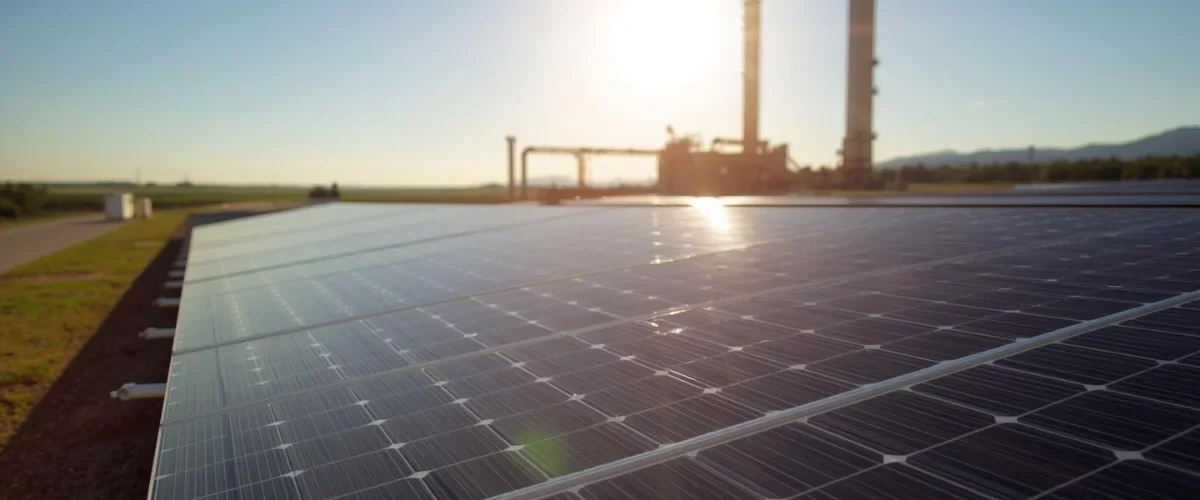
Data released by the Solar Energy Industries Association (SEIA) showed that the United States had succeeded in reshoring manufacturing capacity across the entire solar and energy storage supply chain, a milestone industry officials described as historic for domestic clean-energy production. Domestic manufacturing increases were evident in solar modules, cells, battery storage components and inverters, indicating broad progress toward American energy independence.
Entire supply chain capacity now installed
According to SEIA’s Solar & Storage Supply Chain Dashboard, U.S. manufacturing capacity grew across every major segment of the solar and storage supply chain in 2025. By October, the United States had surpassed an estimated 60 gigawatts (GW) of domestic solar module production capacity, a 37% increase from December 2024.
Other reshored components included solar cell manufacturing, which more than tripled from roughly 1 GW at the end of 2024 to about 3.2 GW by late 2025. Domestic battery cell production for stationary storage applications rose to over 21 gigawatt-hours (GWh), enough generation capacity to power a city the size of Houston from sunset to sunrise, according to industry analysts. Solar inverter capacity increased by nearly 50%, from about 19 GW to 28 GW, and mounting system manufacturing expanded with new factories nationwide.
Corning Inc. played a pivotal role in the reshoring trend by bringing its solar ingot and wafer production online at a facility in Hemlock, Michigan. The facility, which became operational in the third quarter of 2025, was the first to combine polysilicon refining with large-scale wafer production in the United States, a capability previously absent from the domestic supply chain.
Private investment and factory growth
Industry data showed that 65 new or expanded solar and storage facilities came online during 2025, drawing an estimated $4.5 billion in private investment into American communities. These investments contributed to the expanded manufacturing footprint and underscored growing interest among domestic and foreign producers to establish U.S. production sites.
Industry cautions on policy and market risks
While the reshoring milestone was widely celebrated by industry stakeholders, SEIA and others warned that it did not guarantee sustained growth. Trump administration trade policies, tariffs and regulatory actions were cited as creating uncertainty that could undermine future investment and slow the momentum of domestic manufacturing expansion. SEIA leadership stressed that continued policy clarity and market support were essential to avoid driving investment overseas, hindering job creation, or raising consumer costs.
“There has been remarkable progress in rebuilding U.S. manufacturing capacity across all major segments of the solar and storage supply chain,” SEIA President and CEO Abigail Ross Hopper said in a late-October statement. “But that momentum isn’t guaranteed. Policy uncertainty could jeopardize these gains and future factory commitments.”
What reshoring means and what it doesn’t
The reshoring designation reflected capacity to fabricate key components, from polysilicon and wafers to finished modules and storage components, which historically were dominated by foreign producers, particularly in Asia. This contrasts with earlier industry patterns where most upstream manufacturing (such as wafers and solar cells) was imported, even when assembly might occur domestically.
Experts stressed that while capacity exists, utilization, supply logistics, labor development and sustained demand remain important factors in how effectively that capacity translates into finished products and competitive pricing for U.S. solar projects. They also noted that continued industrial policy support, such as tax incentives or tariffs on imports, would influence the reshoring trajectory in 2026 and beyond.
Context in broader solar market
The reshoring milestone emerged amid broader industry dynamics. U.S. solar deployment continued to grow but faced ongoing challenges, including permitting backlogs and policy uncertainty that slowed some segments of the market. Meanwhile, overseas competitors remained active, and global supply chain pressures continued to influence pricing and investment decisions.
By late 2025, reshoring of the U.S. solar supply chain marked a significant industrial achievement, driven by manufacturing growth, private investment, and strategic facility openings. Still, industry leaders emphasized that maintaining and expanding this domestic capacity would depend on regulatory stability, continued capital formation and market incentives that keep American solar manufacturing competitive in the face of shifting global conditions.
Sources:
- SEIA dashboard and reshoring data (“entire solar supply chain has now been reshored in the U.S.”) (Solar Power World)
- PV Magazine USA and related solar manufacturing reporting (pv magazine USA)
- Corning solar ingot and wafer production facility information (Mercomindia.com)
- Reuters reporting on broader U.S. solar market trends (Reuters)

 Marley Kakusa
 Cody Cooper



Add comment