

 Kadeer Beg
The U.S. solar industry experienced both growth and new challenges in 2025, according to the latest market review released by the Solar Energy Industries Association (SEIA) and Wood Mackenzie. The organizations’ annual analysis highlights the continued expansion of solar capacity while also noting policy changes, supply chain pressures, and slowing growth in some market segments.
According to the report, the United States installed approximately 43 gigawatts (GW) of new solar capacity in 2025, a decline from nearly 50 GW installed in 2024. The slowdown reflects policy changes, tariff pressures, and project delays that affected parts of the market during the year. Despite the dip, solar remained one of the largest sources of new electricity generation capacity added to the U.S. grid.
Utility-scale solar remains the largest segment
Utility-scale solar continued to dominate new installations in 2025. Large projects built by utilities and independent power producers accounted for the majority of new capacity, though installations in this segment declined compared with the previous year. Analysts said project permitting challenges, transmission constraints, and evolving federal policies contributed to slower growth in utility-scale development.
Even with these headwinds, the sector continued to play a major role in expanding U.S. electricity supply. Several large projects were completed across states such as Texas, Florida, and Indiana, regions that have become increasingly important centers of solar growth.
Industry data show that a significant share of solar capacity additions occurred in states that traditionally relied heavily on fossil fuel generation. These developments highlight the increasing role of solar energy in supporting grid reliability and meeting growing electricity demand across the country.
Residential and community solar face pressure
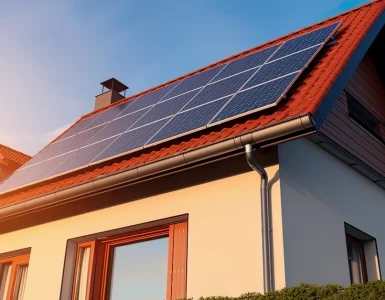
While utility-scale projects continued to lead the market, the residential and community solar segments faced greater difficulties during 2025. High interest rates, rising installation costs, and regulatory changes in some states contributed to weaker demand for rooftop systems.
Residential solar installations declined modestly during the year as homeowners faced higher financing costs. Community solar also experienced a slowdown as project developers navigated permitting challenges and changing policy incentives.
The report notes that these segments remain critical for expanding distributed energy resources, which can help improve grid resilience and provide energy savings for households and businesses.
Solar remains a major driver of new power capacity
Despite the slowdown in total installations, solar continued to account for a large share of new electricity generation capacity in the United States. Along with battery storage, solar projects represented a majority of the new generating capacity added to the grid during the year.
This trend reflects the broader economic advantages of solar power. The technology remains one of the fastest and least expensive sources of new electricity generation in many parts of the country. Falling equipment costs and continued innovation in project development have helped maintain strong interest from utilities, corporations, and independent power producers.
Manufacturing and supply chain developments
The report also highlighted progress in domestic solar manufacturing. Several new facilities opened during the year, expanding the ability of U.S. companies to produce key components such as modules, wafers, and cells. These investments are intended to strengthen domestic supply chains and reduce reliance on imported equipment.
However, analysts noted that tariffs, trade disputes, and evolving federal policies continue to influence the pace of manufacturing growth and project deployment.
Outlook for the U.S. solar market
Looking ahead, SEIA and Wood Mackenzie expect solar demand to remain strong as electricity consumption increases. Factors such as data center expansion, electrification of transportation, and broader decarbonization efforts are expected to drive continued investment in renewable energy.
Forecasts suggest the United States could install hundreds of gigawatts of additional solar capacity over the next decade if policy stability and grid infrastructure improvements support project development.
Industry leaders say the long-term outlook for solar remains positive despite short-term market fluctuations. As electricity demand grows and clean energy goals expand, solar power is expected to remain a central pillar of the U.S. energy transition.

 Daniyal Ahmed
 Marley Kakusa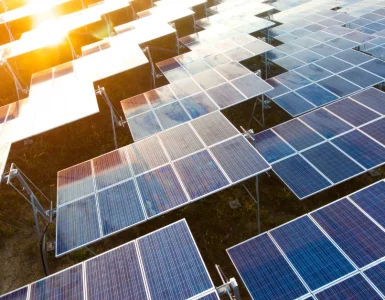
 Cody Cooper



Add comment