
 Daniyal Ahmed
Colorado has approved new legislation designed to expand access to small-scale solar technology, including so-called “balcony solar” systems and meter collar adapters that simplify residential solar installations. The measure, House Bill 26-1007, positions Colorado among a small but growing number of U.S. states allowing portable plug-in solar devices for renters, apartment residents, and homeowners.
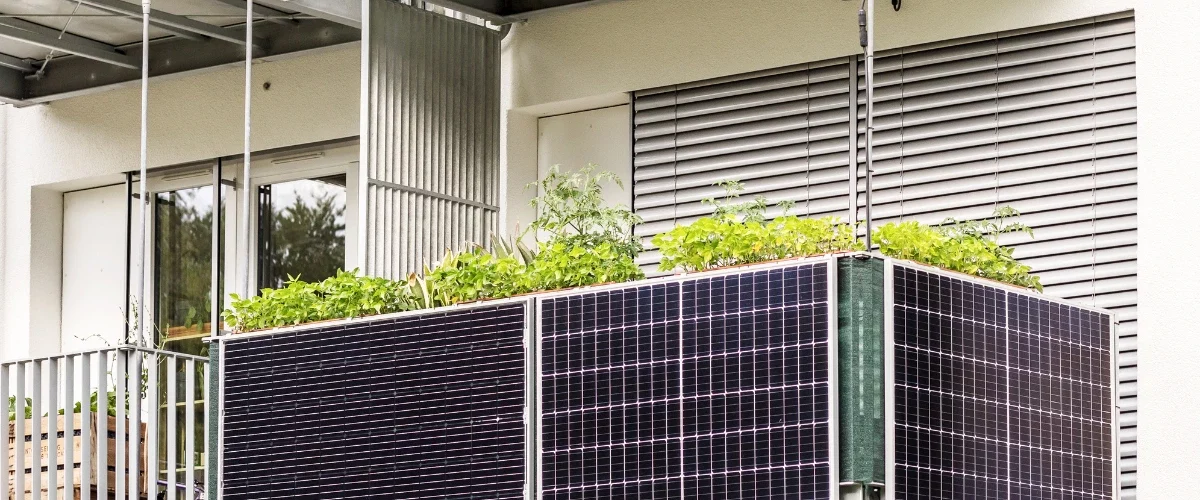
The legislation creates a legal framework for portable-scale solar generation devices, often referred to as balcony solar systems. These compact systems, popular in parts of Europe, typically consist of one or more solar panels connected to a microinverter that plugs into a standard household outlet. Under the new law, Colorado utilities cannot unreasonably prohibit customers from installing or using qualifying portable solar devices that comply with applicable safety standards.
Supporters of the bill say the measure broadens solar access to residents who traditionally have limited renewable energy options, particularly renters and people living in multifamily housing. Legislators behind the proposal argued that the policy could help consumers lower electricity costs while expanding distributed clean energy adoption statewide.
The law also addresses safety concerns tied to plug-in solar systems. Devices must comply with fire and electrical safety requirements, including standards related to anti-islanding protection, which prevents electricity from flowing back into the grid during outages and protects utility workers. The legislation further allows landlords and property owners to impose reasonable, content-neutral safety restrictions, though they cannot effectively ban compliant systems outright.
In addition to balcony solar, the legislation expands access to meter collar adapters. Meter collars are devices installed between a home’s electric meter and the meter socket, creating a simplified connection point for rooftop solar, battery systems, and electric vehicle charging equipment. Industry advocates say meter collars can significantly reduce installation costs by avoiding expensive electrical panel upgrades.
Under the bill, Colorado utilities regulated by the state Public Utilities Commission will be required to allow customer ownership and use of approved meter collar adapters through revised interconnection rules. Utilities also will be prohibited from requiring separate production meters for distributed energy systems of 10 kilowatts or less. Similar requirements will apply to municipal utilities and rural electric cooperatives.
Clean energy advocates describe the legislation as part of a broader shift toward decentralized energy systems that allow consumers greater control over electricity generation and storage. Balcony solar systems have grown rapidly in countries such as Germany, where millions of small plug-in systems are already in operation. Supporters believe Colorado’s approach could serve as a model for additional U.S. states exploring distributed energy reforms. (Solar Now)
Critics and some utility stakeholders have raised concerns about electrical safety, grid coordination, and installation oversight. However, lawmakers said the final bill reflects extensive negotiations with utilities, safety experts, landlords, and clean energy organizations to establish clear technical standards and installation requirements.
Read our blog on Solar Panels For Apartments Here.
Sources
- Colorado General Assembly, HB26-1007 (Colorado General Assembly)
- The Colorado Sun reporting on balcony solar legislation (The Colorado Sun)
- pv magazine USA coverage of Colorado plug-in solar legislation (pv magazine International)


 Marley Kakusa
 Cody Cooper



Add comment