
 Daniyal Ahmed
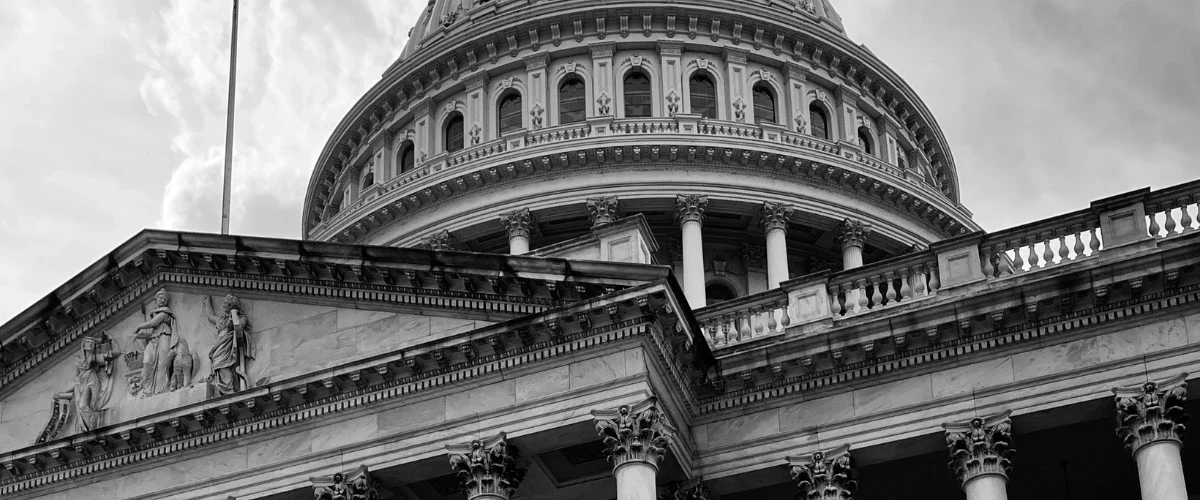
A bipartisan group of U.S. senators has introduced an electric grid reform bill that would overhaul transmission planning, permitting and grid interconnection rules as the country faces rising electricity demand and growing pressure to expand its power infrastructure.
The Bipartisan American Affordability and Jobs Act of 2026 was introduced September 30 by Sens. Mike Lee of Utah, Shelley Moore Capito of West Virginia, Martin Heinrich of New Mexico and Sheldon Whitehouse of Rhode Island. The lawmakers are the leaders of the Senate Energy and Natural Resources and Environment and Public Works committees.
The broader permitting package covers energy infrastructure, mining and other major projects. Its electricity provisions would change how the United States plans and approves transmission lines, connects new generation to the grid and allocates some of the costs associated with large electricity users.
Table of contents
- Electric grid reform would require regional transmission planning
- Grid-enhancing technologies included
- Proposal addresses interconnection and distributed energy
- Large electricity users could face additional grid costs
- Broader permitting reforms cover multiple energy technologies
Electric grid reform would require regional transmission planning
One of the legislation’s major grid provisions would require regional and interregional transmission planning.
Transmission operators would have to consider where additional infrastructure is needed and plan for future electricity demand across different regions. The proposal is intended to improve coordination between parts of the U.S. electric grid and make it easier to move electricity between regions during periods of high demand or constrained supply.
The legislation would also establish rules intended to allocate transmission costs according to the benefits provided by a project, including reliability improvements and access to lower-cost electricity.
Another provision would strengthen the Federal Energy Regulatory Commission’s existing “backstop” authority for approving certain interstate transmission projects. Federal and state reviews could proceed simultaneously, potentially reducing the time required to permit major power lines.
FERC would also become the lead federal agency coordinating environmental reviews for qualifying interstate transmission projects.
Grid-enhancing technologies included
The bill would require greater consideration and use of grid-enhancing technologies when they are cost-effective.
These technologies can include advanced conductors, dynamic line ratings and automated power-flow controls that can increase the amount of electricity existing transmission infrastructure can carry.
The legislation would also make it easier to complete some upgrades within existing transmission rights of way, including reconductoring projects, without requiring an entirely new federal environmental review.
Expanding existing electric grid capacity could become increasingly important as electricity demand grows from data centers, manufacturing and electrification while new transmission projects continue to face lengthy development timelines.
Proposal addresses interconnection and distributed energy
The legislation also targets the process for connecting new electricity generation to the electric grid.
Wholesale electricity markets would be required to allow eligible distributed energy resources and virtual power plants to participate. Virtual power plants combine resources such as rooftop solar, battery storage, electric vehicles and flexible electricity loads so they can collectively provide services to the grid.
The proposal also calls for greater use of automated systems and advanced technologies to speed up grid interconnection.
Interconnection delays have become a significant challenge for U.S. energy development as large numbers of solar, wind, battery storage and conventional generation projects wait for grid studies and necessary transmission upgrades.
Large electricity users could face additional grid costs
Another major provision addresses rapidly growing electricity demand from large customers such as data centers.
The legislation would require the largest new electricity users to cover transmission costs associated with serving their facilities rather than allowing those expenses to be shifted to other electricity customers.
Data center electricity consumption has become an increasingly prominent issue as artificial intelligence and cloud-computing infrastructure expand across the United States.
The provision builds on separate proposals introduced in Congress addressing how grid-upgrade costs associated with large new loads should be allocated.
Broader permitting reforms cover multiple energy technologies
The legislation extends well beyond renewable energy and transmission.
It proposes changes to federal permitting procedures affecting renewable projects, fossil fuel infrastructure, mines, data centers and other major developments. The package would establish deadlines for some environmental reviews, increase coordination among federal agencies and place limits on certain legal challenges to project approvals.
The bill has drawn support from organizations representing both conventional and renewable energy industries, while some environmental groups have raised concerns that portions of the permitting reforms could weaken environmental review requirements.
The legislation would also limit the federal government’s ability to broadly delay or block permits for an entire category of energy projects, such as wind or solar, while retaining circumstances in which individual permits could be challenged or revoked.
The bill has not yet passed the Senate or become law. Reuters reported that lawmakers expect additional amendments and that a vote is unlikely until after the November 3 midterm elections.
If enacted, the legislation would represent a significant change to federal permitting and electricity transmission policy, particularly in how the country plans interstate power lines, allocates transmission costs and connects new generation and large electricity users to the grid.
REQUEST FOR QUOTE | Contact Us
Sources
- U.S. Senate Committee on Energy and Natural Resources, Bipartisan American Affordability and Jobs Act announcement
- U.S. Senate Committee on Energy and Natural Resources, bill fact sheet
- Reuters, bipartisan Senate permitting agreement
- Canary Media, analysis of transmission provisions
- Solar Power World
Follow Sunhub Latest News for more solar policy and energy industry updates.



 Marley Kakusa



Add comment