
 Kadeer Beg
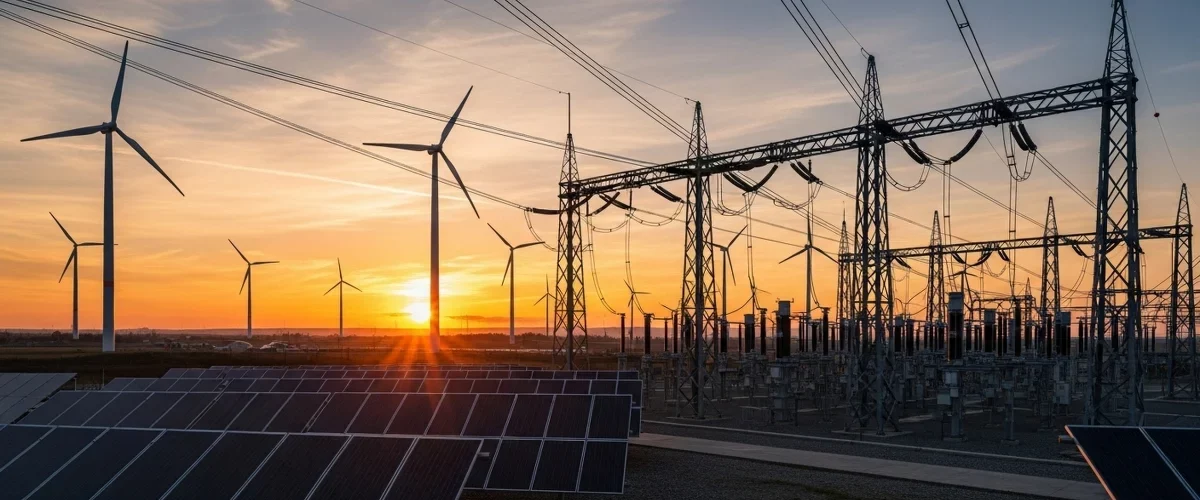
Wind and solar energy together produced more electricity in the European Union in 2025 than fossil fuel-based generation for the first time, according to a new report by the energy think tank Ember. The landmark shift highlights the continued transition toward low-carbon power in Europe’s largest economic bloc, despite challenges in grid integration and energy security.
Ember’s European Electricity Review 2025 found that wind and solar power supplied 30 percent of the EU’s electricity last year, slightly above the 29 percent share from fossil fuel power plants that burn coal, natural gas and, to a much smaller extent, oil. Solar alone contributed about 13 percent of the bloc’s electricity, setting a new record and underscoring the rapid growth of photovoltaic capacity across member states.
Renewables expansion and fossil fuel decline
The shift reflects a surge in solar output, with EU solar capacity rising sharply and generating over 20 percent more electricity than the previous year. This strong performance helped offset reduced hydropower generation caused by drought conditions in parts of the continent, according to Ember. Gas-fired generation increased by around 8 percent as utilities used combined-cycle plants to fill gaps left by lower hydro output.
Wind power remained a key contributor to the EU’s electricity mix, accounting for roughly 17 percent of total generation. The combined contribution from wind and solar now surpasses that of all fossil fuels, including coal and gas, which historically dominated the region’s power sector. Coal’s share in the energy mix fell to a historic low of about 9 percent in 2025, according to the Ember analysis.
At least 14 EU countries generated more electricity from wind and solar than from fossil fuels in 2025, reflecting a broad structural shift in power supplies across the bloc. Nations such as Hungary, Spain and the Netherlands produced more than 20 percent of their power from solar alone.
Low-carbon power now leads EU mix
Ember’s data also show that renewable energy and nuclear power combined supplied about 71 percent of the EU’s electricity in 2025. This marks a significant milestone in Europe’s long-term effort to reduce greenhouse gas emissions, decrease dependence on imported fuels and meet climate targets agreed under the Paris Agreement and the European Green Deal.
Despite this progress, the energy transition is not without obstacles. The continued reliance on imported liquefied natural gas (LNG) to balance fluctuations in renewable generation highlights ongoing vulnerabilities in Europe’s energy system. Energy analysts say that strengthening grid infrastructure, expanding energy storage and increasing demand flexibility will be essential to sustain higher renewable penetration and avoid price volatility.
Industry and policy reactions
The record share of wind and solar has drawn both praise and caution from industry leaders and policymakers. Beatrice Petrovich, senior energy analyst at Ember and author of the report, said the data show “a clear shift” away from traditional fossil power and toward cleaner, lower-cost sources. She added that reducing reliance on gas imports from outside the region should be the next priority for EU policymakers, especially given geopolitical disruptions that have affected energy markets in recent years.
However, industry executives have also noted that bureaucratic delays and permitting challenges continue to slow the pace of renewable project development. Some renewable energy leaders warn that the current growth rate may not be enough to fully replace fossil fuel power without accelerated investment in networks and regulatory reform.
Implications for the energy transition
The Ember report’s findings underline a historic turning point for Europe’s electricity sector. The fact that wind and solar together outpaced fossil fuels in power generation for the first time in 2025 suggests that the EU’s energy transformation is gaining momentum. Continued expansion of wind and solar capacity, coupled with supportive policies and grid enhancements, will be necessary to sustain this trajectory and support broader climate and economic goals.
Sources:
- Wind and solar overtake fossil fuels in EU power supply (Reuters) (Reuters)
- Wind and solar beat fossil fuels in EU power mix in 2025 (Reuters) (Reuters)
- Wind, solar output cover 30pc of 2025 EU power (Argus Media/Ember report summary) (Argus Media)
- Wind and solar overtake fossil fuels in EU power supply (Reuters summary) (WKZO)


 Daniyal Ahmed



Add comment