

 Cody Cooper
As the war in Iran disrupts global energy markets, countries around the world are feeling the effects of rising oil and gas prices. However, some nations are proving more resilient than others, largely due to investments in renewable energy and electric vehicles.
Impact on global energy supply
The conflict has significantly impacted global energy supply, especially because of disruptions in the Strait of Hormuz, a critical shipping route for oil and natural gas. Roughly 20 percent of the world’s oil passes through this narrow waterway, making any interruption a major concern for global markets. As a result, fuel prices have surged, increasing costs for transportation, electricity, and everyday goods. (cfpublic.org)
Countries facing the greatest challenges
Countries that rely heavily on imported fossil fuels are facing the greatest challenges. Many are experiencing inflation, energy shortages, and economic instability as supply chains tighten. In contrast, nations that have invested in renewable energy sources such as solar and wind, along with electric vehicles, are better positioned to manage the crisis.
Pakistan’s shift toward solar energy
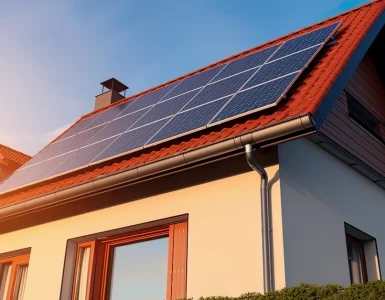
Pakistan is one of the clearest examples of this shift. In recent years, the country has experienced a rapid increase in rooftop solar adoption, driven by high electricity costs and frequent power outages. This grassroots transition has reduced dependence on imported fuels and helped stabilize energy access during the current crisis. Solar energy now accounts for a significant share of the country’s electricity, and the expansion has already reduced the need for costly fuel imports. (The Guardian)
Renewable energy as a buffer
This transition has provided a buffer against global price shocks. By generating more electricity locally through solar power, Pakistan has been less exposed to fluctuations in international fuel markets. Experts say this demonstrates how distributed renewable energy can strengthen energy security, especially in developing countries.
Role of electric vehicles
Electric vehicles are also playing a role in reducing vulnerability. Countries with higher EV adoption rely less on gasoline and diesel, which helps shield consumers from sudden price increases. While EV adoption is still uneven globally, it is becoming an increasingly important factor in national energy resilience.
The broader lesson on energy dependence
The current crisis highlights a broader lesson about energy dependence. Fossil fuels are traded globally, meaning even countries with domestic production can be affected by international disruptions. Renewable energy, on the other hand, is often produced locally, making it less vulnerable to geopolitical conflict.
Acceleration toward cleaner energy
Energy experts argue that this moment could accelerate the global transition toward cleaner energy. As governments and businesses respond to rising costs and supply risks, many are expected to invest more heavily in renewables, battery storage, and electrification.
Ongoing inequalities in the transition
At the same time, the situation exposes ongoing inequalities. Not all countries have the financial resources or infrastructure to scale renewable energy quickly. For some, the transition will take years, leaving them exposed to continued volatility in fossil fuel markets.
Conclusion
Still, the contrast is becoming increasingly clear. Nations that have already begun shifting toward renewable energy and electrification are better equipped to handle global energy disruptions. As the Iran war continues to reshape energy markets, this divide may only grow more pronounced.
Stay ahead of the solar market with Sunhub News for real-time updates, trends, and industry insights. For deeper analysis, practical guides, and expert perspectives, follow Sunhub Blogs and stay informed where it matters most.

 Daniyal Ahmed
 Marley Kakusa



Add comment