
 Daniyal Ahmed
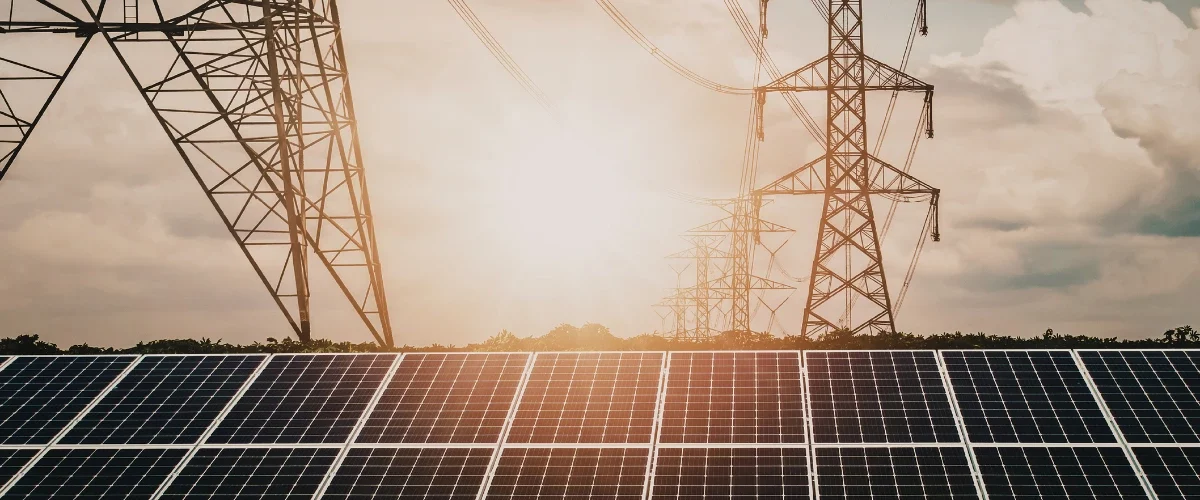
A new energy outlook from BloombergNEF (BNEF) projects that solar power will become the world’s largest source of electricity by 2032, driven by accelerating electrification, rising energy demand, and rapid deployment of clean technologies.
The forecast comes from BNEF’s New Energy Outlook 2026, which examines long-term shifts in global energy systems. The report highlights that growing electricity consumption is being reshaped by multiple structural forces, including the expansion of data centres, population growth, rising incomes, and the broader electrification of transport and industry.
According to the analysis, countries that adopt low-carbon energy systems can reduce dependence on imported fossil fuels while improving long-term energy security. The report positions clean electricity and electrification as central to how economies will meet future energy demand.
BNEF finds that electricity will meet two-thirds of new energy demand over the next 24 years, while natural gas is expected to supply around 25% of that growth. This reflects a broader transition in which electricity becomes the dominant energy carrier across multiple sectors, replacing direct fossil fuel use in transport, heating, and parts of industry.
Overall demand for electricity is projected to rise significantly over the coming decades. The report estimates global electricity consumption will increase by 29% by 2035 and 69% by 2050. One of the fastest-growing segments is data centres, with consumption expected to more than double to 1,114 terawatt-hours over the same period, reflecting the rapid expansion of artificial intelligence, cloud computing, and digital infrastructure.
The outlook also emphasizes the accelerating role of solar energy in meeting this demand. BNEF attributes solar’s growth to a combination of technology improvements, falling costs, and persistent overcapacity in manufacturing, which continues to drive competitive pricing across global markets. These factors are helping solar expand faster than any other generation source in many regions.
Energy storage is also projected to scale rapidly alongside renewables. The report estimates that global battery storage capacity will expand 17-fold, rising from 223 gigawatts in 2025 to 3.8 terawatts by 2035. This expansion is seen as essential for managing the variability of solar and wind power and ensuring grid stability as renewable penetration increases.
The report includes commentary from BNEF leadership on the broader implications of this transition. As stated in the outlook:
“We’re living in another moment of crisis, but unlike in past decades, today there are real options for countries to react,” said David Hostert, chief economist at BloombergNEF.
“Through clean power and electrification we can strengthen energy security and reduce harmful emissions along the way.”
BNEF also emphasized the scale of the challenge in matching rising electricity demand with clean supply. As noted in the report:
“As EVs, data centers, population growth and industrial activity spur electricity demand, the world is in a race to meet rising energy demand with the most efficient, least-cost technologies,” said Matthias Kimmel, head of energy economics at BloombergNEF.
“NEO shows that solar becomes the world’s largest generator overall by 2032, while storage jumps 17-fold to 3.8 terawatts by 2050, underscoring how clean technologies are increasingly critical to energy security, system flexibility and meeting the world’s growing power needs.”
Taken together, the findings underscore a structural shift in global energy markets, where electricity demand is rising sharply and low-carbon technologies are increasingly positioned as the most cost-competitive and scalable solution. While the transition trajectory varies by region, the report suggests that solar energy, supported by large-scale storage deployment, is set to play a central role in the global power system over the coming decades.
Source: https://renews.biz/111686/solar-to-dominate-power-by-2032/

 Cody Cooper



Add comment