
 Cody Cooper
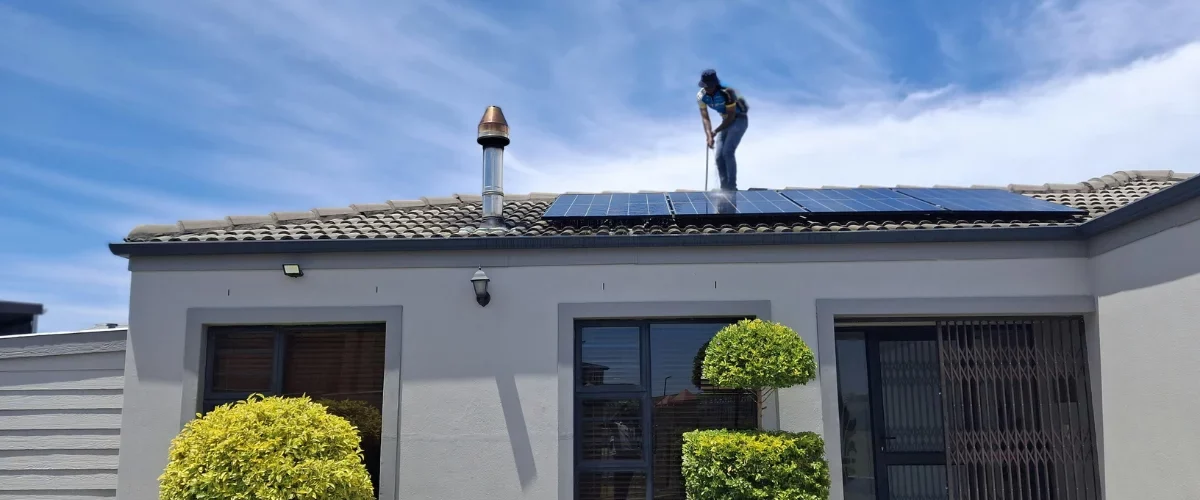
The U.S. residential rooftop solar market is facing a significant downturn after the federal tax credit that supported rapid growth in the sector expired at the end of 2025. The loss of the 30 percent income tax credit for homeowners has led to layoffs, business closures, market exits and business restructures among solar installers and related companies, industry officials and analysts said.
The residential solar credit was eliminated as part of a federal tax overhaul enacted by President Donald Trump, ending more than a decade of support that helped make rooftop solar more affordable for homeowners. That tax incentive, paired with declining equipment costs and other state and local incentives, had helped propel widespread adoption of home solar systems. Its expiration, combined with elevated interest rates and reduced state-level incentives, has created a sharp contraction in demand.
Layoffs, market contraction and company failures
One of the most visible effects has been job cuts across the solar installation sector. Solar equipment maker Enphase Energy said it would cut 160 jobs, representing about 6 percent of its workforce, and reduce operating costs in response to weaker demand. Freedom Forever, a major residential installer ranked second in the United States behind Sunrun, withdrew from 10 of its 30 state markets and laid off roughly 20 percent of its staff, according to the company’s policy director.
The weak market has also contributed to outright business failures. Purelight Power, an Oregon-based installer that operated in about a dozen states, filed for Chapter 11 bankruptcy protection at the end of December 2025, affecting about 200 workers. Texas-based TriSMART Solar ceased operations at the end of last year, according to posts from employees on LinkedIn. Company executives did not respond to requests for comment.
Industry analysts expect the downturn to have broader consequences for the residential solar market in 2026. Solar analytics firm Ohm Analytics slashed its forecast for rooftop installations, projecting a decline of about 20 percent this year rather than continued growth. Another market research firm, Wood Mackenzie, now expects installations to fall to their lowest levels since 2020, when the COVID-19 pandemic briefly froze U.S. energy markets.
Financial impact on homeowners and the market
The expiration of the tax credit has also affected the economics of installing solar for individual homeowners. Industry estimates suggest that the average payback period for rooftop systems has increased from approximately seven years to around ten years. That shift reflects a rise in the net cost of systems by about $8,000 for many households, reducing the financial incentive for new customers.
High interest rates and a lack of state incentives have compounded the effects of the federal policy change. Analysts and solar executives say the drop in demand has left many installers without enough projects to sustain operations in a highly labor-intensive segment of the industry. Chris Castro, chief sustainability officer at Climate First Bank, which provides solar financing, said he expects “a very meager market” through the first half of this year as installers and homeowners adjust to the new tax landscape.
Shift to third-party ownership models
While direct purchases and loan-financed solar systems have declined, a portion of the market remains resilient. Third-party ownership models, where companies retain ownership of solar equipment and sell power to homeowners under lease or subscription contracts, still qualify for separate federal tax credits. This structure has prompted some solar installers to pivot their business models.
Companies like Enphase and Freedom Forever are now offering financing products tied to third-party ownership, allowing customers to lease systems with the option to take ownership after several years. Installers are also partnering with financial firms to offer these solutions as an alternative path to solar adoption. However, some industry professionals caution that leasing arrangements can complicate home sales and may not offer clear long-term savings for homeowners. (Investing.com)
The residential solar industry’s contraction underscores how policy decisions at the federal level can shape market dynamics. Industry stakeholders warn that the sector’s decline could slow broader clean energy goals and make it harder for the United States to meet rising electricity demand from new data centers and other energy-intensive sectors. Continued adaptation and new financing innovations may be critical to sustaining solar adoption through the policy transition. (Investing.com)
Source: Reuters reporting on U.S. rooftop solar installers cutting jobs and restructuring after the homeowner tax credit expires. (Reuters)

 Daniyal Ahmed




Add comment