
 Daniyal Ahmed
Distributed solar barriers are slowing clean energy adoption across U.S. states, even as rooftop solar, home batteries and virtual power plant technology prove they can support the grid during high-demand periods and emergencies.
Across the country, the technology is no longer the main question. Solar panels are widely available, battery storage is becoming more common, and software can now connect thousands of homes and businesses into dispatchable energy networks. The harder challenge is process: local permitting, interconnection approvals, utility reviews, inspection timelines, tariff design and customer program rules.
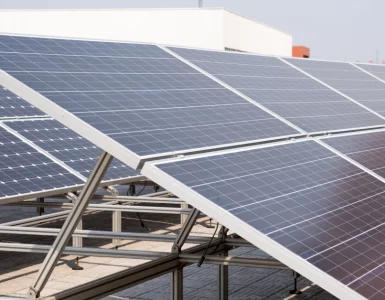
That gap is becoming more important as electricity demand rises from population growth, electrification, new industrial loads and data centers. Distributed solar and storage can add power close to where it is used, reduce stress on transmission systems and help customers lower energy costs. But when approvals take too long or rules are unclear, projects can stall before they begin producing power.
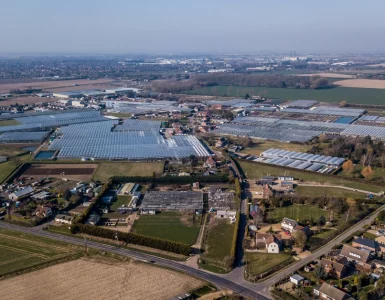
Texas shows both the opportunity and the complexity. The state has become one of the largest solar markets in the country, driven by strong sunlight, high power demand and an active energy market. Yet distributed solar customers can face different rules depending on whether they are served by a competitive retail provider, a municipal utility, a cooperative or a regulated utility. Interconnection steps, export credit structures and buyback plans can vary widely, making the customer experience less predictable.
In California, batteries are showing how distributed energy can become a real grid resource. During evening heat waves, tens of thousands of home battery systems paired with rooftop solar have discharged more than 500 MW back to the grid. These systems help reduce peak demand after sunset, when solar production drops but air conditioning loads can remain high.
Distributed Solar Barriers Affect Grid Resilience
Puerto Rico offers one of the clearest examples of why distributed solar and storage matter for resilience. Frequent outages and grid reliability challenges have pushed many residents and businesses to install rooftop solar with batteries. By the end of 2025, Puerto Rico had more than 171,000 households and businesses with distributed battery systems, representing thousands of megawatt-hours of stored energy capacity.
Those batteries are not only backup systems for individual homes. When coordinated through grid programs, they can help prevent wider outages during emergencies. That makes Puerto Rico an important case study for how distributed energy resources can support fragile grids, especially in regions exposed to storms, fuel supply risks or aging infrastructure.
The policy lesson is that solar and storage adoption depends on more than equipment costs. Developers, installers, EPCs and customers need faster permitting, clearer interconnection standards, transparent utility timelines and compensation rules that recognize the grid value of flexible distributed energy.
For utilities and regulators, the challenge is to modernize processes without compromising safety or reliability. That can include digital permitting, standardized interconnection applications, better hosting capacity data, smarter export controls and programs that allow batteries to participate in grid services.
For buyers, the delays can affect project economics. A residential or commercial solar project that waits months for approval may face higher financing costs, changed incentives or frustrated customers. A battery system that cannot enroll easily in a grid program may lose part of its value.
Distributed solar and storage are already helping states manage demand, improve resilience and reduce pressure on the grid. The next step is making the rules move as quickly as the technology.

 Cody Cooper



Add comment